Write an essay with AI
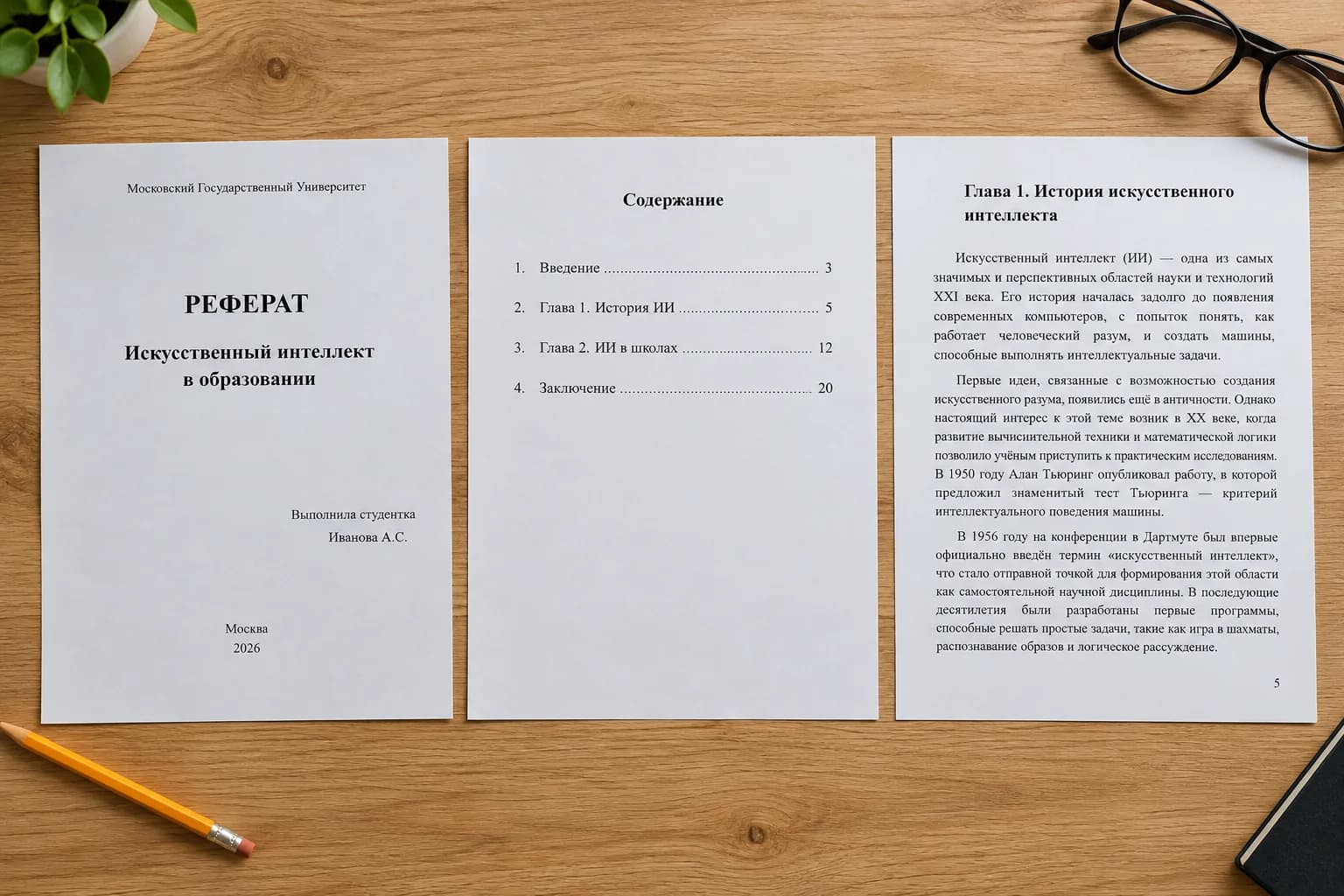
Enter the topic, length and subject — next to them an outline appears: introduction, chapters with sections, conclusion and references. The same outline goes to the chat, where the AI writes the text for every point.
Prompt sent to the chat: «Write an outline for an essay on “The impact of social media on teenagers”, 10 pages long: an introduction with relevance, aim and objectives, 3 chapters, a conclusion and a reference list of 8–10 sources. Then write the introduction. Mark any sources you are not sure about for checking.»
An essay is a text request, free on the Starter plan (30 units of energy). Sign-up is needed to keep the dialogue.
- Introduction — relevance, aim, 3–4 objectives
- 1.Theoretical background
- 2.Main part: analysis
- 2.1Section: key concepts and approaches
- 2.2Section: analysis and examples
- 3.Practical aspects
- Conclusion — findings for each objective
- References — 8–10 sources, check each one
In the chat the AI writes the text for every point of the outline.
What an AI-written essay includes
The four parts of a standard essay — and an honest warning about the fourth.
Introduction
Why the topic matters, the aim and 3–4 objectives, the subject of study — worded the way style guides require. If your department has requirements, paste them into the chat and the introduction follows them.
Chapters and sections
2–3 chapters for 10 pages, 3–4 chapters with sections for 20. Each chapter ends with a short conclusion, and the transitions are logical, not “now let us talk about something else”.
Conclusion
An answer to the aim from the introduction and a finding for each objective. The AI does not repeat the introduction in other words but sums up the chapters.
References — with a caveat
The AI suggests which sources to look for: textbooks, articles, regulations on the topic. But it can get authors, years and titles wrong, so check every source in a library or an academic database and replace it with a real one.
Two peaks a year — and how to prepare
Essays come in waves. The AI helps most when there are several papers due and two days for each.
September — December
The first essays of the term and coursework before exams. The peak is November and December: 3–5 papers for different subjects at once. Prepare outlines early, while lecturers hand out topics.
February — May
The spring term and term papers. In April and May reports and defence presentations join the essays — you can put them together in the same chat too.
How to refine the essay in a dialogue
The first answer is a draft. From there you work in phrases: click a card and the request goes into the form above.
Use the text as a draft, not as finished work
The AI is good at building structure, writing coherent text to an outline and explaining a topic clearly. But it has not read your lecturer’s textbook and can get facts, dates and sources wrong. The outline and draft come from the AI; fact-checking, your own examples and sources come from you. Then you can answer questions about the work when you defend it.
- 1
Check every number and date against a textbook or a research article.
- 2
Replace the suggested sources with ones you have actually opened.
- 3
Add at least one example or observation of your own to each chapter.
- 4
Check your university’s rules on using AI — some require you to disclose it.
FAQ
Is the AI essay writer free?
Yes. An essay is a text scenario, available on the Starter plan at no cost. Energy is spent only on images, which essays rarely need.
How many pages can the AI write?
It works best chapter by chapter: first the outline, then “write chapter 1”, “write chapter 2”. That gives 10–20 pages of coherent text, and you can edit each chapter separately.
Will the essay pass a plagiarism check?
The text is generated fresh for your topic, not copied from the internet. But checkers can spot generated text, so rework the draft: your own examples, wording and real sources.
Will the references be real?
The AI suggests what to look for, but check the titles and authors: sometimes it “makes up” plausible but non-existent references. Replace them with books and articles you found yourself.
Can it write from my own materials?
Yes. Paste your lecture notes, textbook excerpts or the lecturer’s requirements into the chat and ask it to rely on them. The text will be closer to what your department expects.
What about a talk and slides for the defence?
In the same dialogue: “write a 5-minute talk based on this essay” and “suggest the structure of an 8-slide presentation”.